A Water Positive Future: Reduce, Reuse, Replenish
⬇️ Keep scrolling to view the activity kit for this theme
Net water positive occurs when an entity puts more water back into the environment than they extract from it. For DFW, this goal includes a focus on reducing potable water consumption, matching the appropriate water resource to each application, implementing more opportunities for onsite water reuse, and protecting and improving surface water quality. We have established a target to meet 90% of our non-potable water needs using non-potable sources, such as harvested rainwater, closed-loop water systems, and recycled or reclaimed water.
Progress toward a water positive future can be measured by conducting whole-site water balance analyses that consider on-site precipitation (including infiltration and evapotranspiration); quantity of stormwater, greywater, and blackwater water collected (treated, reused, and/or infiltrated); and quantity of water consumed (potable and non-potable water use).
From Vision to Action
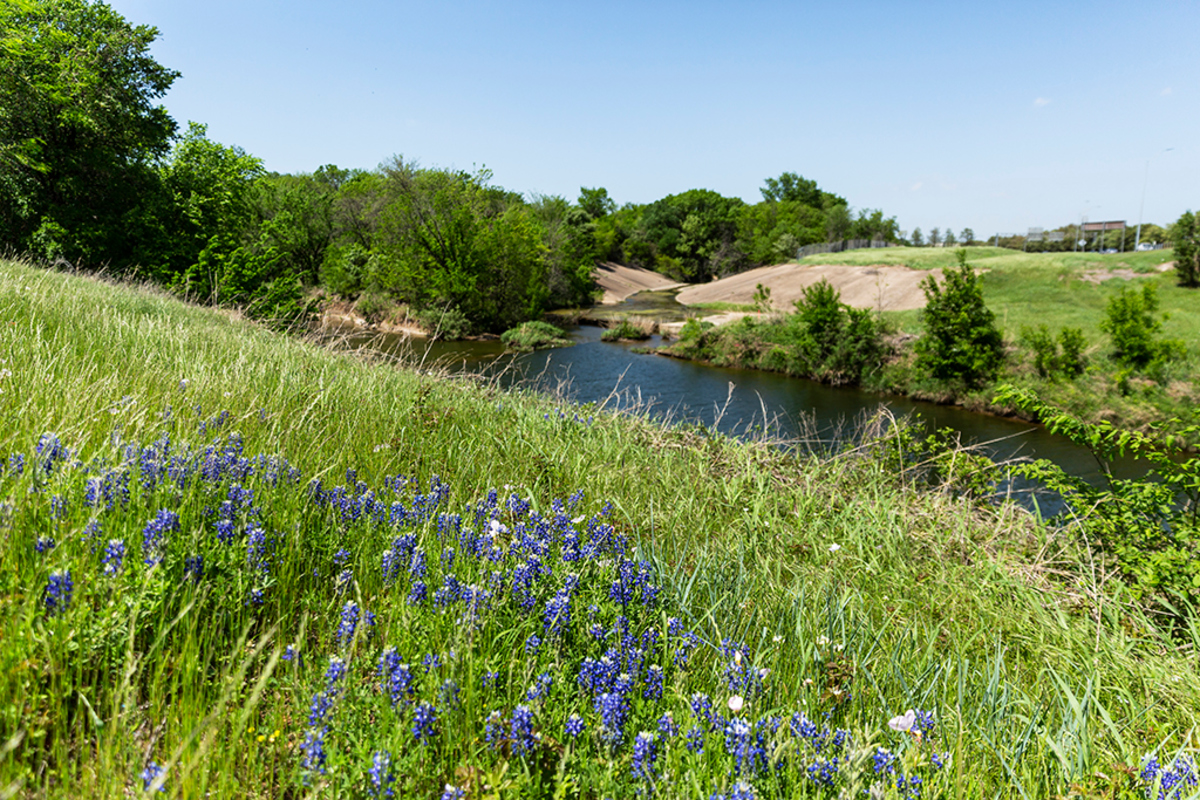
DFW Airport manages a massive stormwater system—over 258 miles of storm sewer pipes and dozens of outfalls draining into multiple watersheds. The airport’s Stormwater Management Program monitors these outfalls and creeks regularly to protect water quality. This mirrors what students do in the kit: sampling, observing, and thinking about how to reduce pollution—reinforcing DFW’s role in being water positive through responsible watershed stewardship.
Watershed Detectives Activity Kit
Vital to protecting freshwater and teaching real-world science, the Watershed Detective kit turns students into water detectives investigating a local pollution mystery. They test water samples, analyze data, and uncover how everyday activities impact water quality.
Learn about:
- How scientists use evidence—not guesses—to solve environmental problems.
- Test water samples for key indicators: pH, nitrates, and phosphates.
- Understand how land uses like farming, construction, and car washing affect creeks and watersheds.
- Why clean freshwater matters for ecosystems, drinking water, and community health.
Kit will include:
- Materials for water testing and data comparison to healthy freshwater ranges.
- Scenario cards for suspects: farmer (fertilizer runoff), construction site (concrete washout), car wash (detergent discharge).
- Teacher guide to reinforce cause-and-effect thinking and watershed stewardship.
This kit will support one class, size 20–30 students, taking 45–60 minutes to complete. Educators can register for one free kit, which includes a lesson plan.
Earth Day Kits are sold out. Check out the links below to access the lesson plan PDF and see what materials you'll need to purchase.
View Watershed Detective lesson plan
View Watershed Detective materials list
Become a Water Detective: Investigate, Test, Protect.